

Chevrolet vs Ford for Wet Boat Ramps, Steep Driveways, and Game-Day Traffic near Clemson, SC
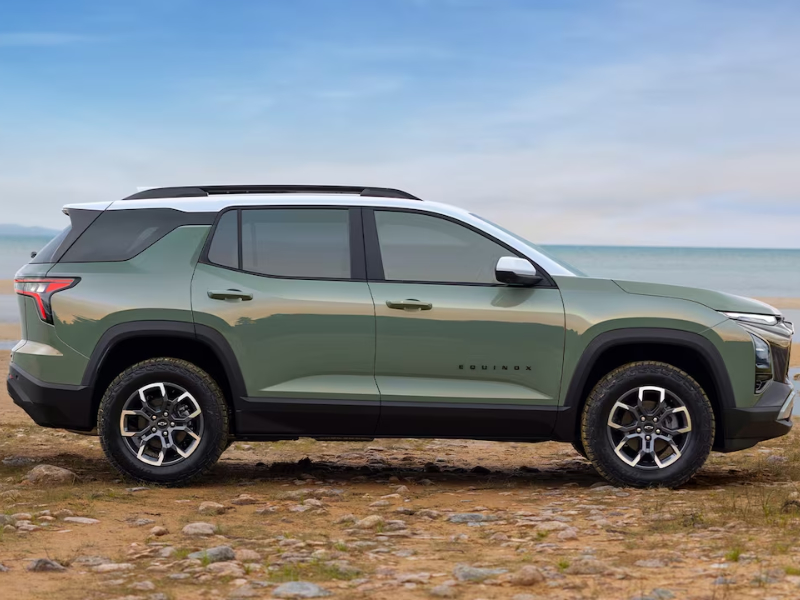
Scenic Chevrolet – Chevrolet vs Ford for Wet Boat Ramps, Steep Driveways, and Game-Day Traffic near Clemson, SC
Choosing between Chevrolet and Ford gets real when your week involves a steep driveway in Six Mile, a quick run down Highway 123 for groceries, Friday rainstorms, and an early Saturday launch on Lake Keowee before a Clemson game-day crowd. At Scenic Chevrolet, serving Seneca and Westminster, SC, and Toccoa, GA, we guide shoppers through brand-level differences that matter on our local roads and ramps—across trucks, SUVs, and EVs—so you can decide which lineup fits your routine without getting lost in one-to-one model battles.
Both brands build capable vehicles. Ford emphasizes confident powertrains and familiar tech like Ford Co-Pilot360 and BlueCruise, while Chevrolet leans into intuitive towing visibility, road-trip connectivity with Google built-in, and chassis tuning that feels settled on bumpy Foothills pavement. When we compare the lineups by daily use—trailering, hill starts, tight parking near Memorial Stadium, and wet-weather traction—Chevrolet consistently checks more boxes for our customers around Clemson and the greater Lake Keowee–Hartwell corridor.
Let’s unpack how each brand approaches the real-life scenarios we hear about every day, then we will summarize quick takeaways by body style and answer common questions we get in our West Union showroom.
Start with launch confidence on wet boat ramps. Chevrolet’s truck and SUV portfolio offers features aimed at traction and visibility where you need them most. Available AutoTrac 2-speed transfer cases, an available automatic locking rear differential, and robust off-road packages such as Z71 or ZR2 help keep tires planted as you ease down a slick ramp or climb a gravel drive in Sunset. Chevrolet’s Advanced Trailering System, with an available in-vehicle app, supports pre-departure checklists, trailer profiles, and camera-assisted hitching. On select Chevrolet pickups, up to 14 available camera views—such as Hitch View and Transparent Trailer—turn tricky alignment into an easy, controlled process you can see from the driver’s seat. Ford brings strong tools of its own, like Pro Trailer Backup Assist on select vehicles and FX4-style off-road packages that add hardware for rough terrain. The difference we hear from our customers is how natural Chevrolet’s towing camera views feel on narrow two-lane approaches to Keowee ramps—especially when you are dealing with morning glare or rain.
Now consider steep driveways and foothills commutes. Around Wolf Stake or the switchbacks off SC-11, ride control and steering confidence go a long way toward making everyday drives smooth. Chevrolet calibrates many SUVs and trucks for a composed, predictable feel—firm enough for confident response, yet supple on patched pavement. Pair that with available Hill Descent Control on off-road trims and all-season traction in available all-wheel drive systems across crossovers, and you get fuss-free stability when rain washes gravel onto the roadway. Ford offers comparable chassis sophistication and selectable drive modes, and it does a good job isolating larger imperfections. In our test drives with shoppers, Chevrolet’s steering and brake feel tend to inspire earlier confidence for drivers transitioning from sedans into larger SUVs, which matters when you are merging from Tiger Boulevard into fast-moving I-85 traffic on a stormy evening.
Tailgating and family flexibility are next. For game days near Death Valley, you want cabin space that pivots from weekday school runs to weekend coolers and chairs. Chevrolet’s three-row SUVs provide generous cargo holds with square openings that make loading bulky tailgate gear simple, plus family-friendly touches like sliding second rows and available power-folding third rows. Many newer Chevrolet models feature Google built-in, so you can use Google Maps, Google Assistant, and select apps without plugging in—handy when you are rerouting around pre-game detours. Wireless Apple CarPlay and Android Auto compatibility are widely available for fast handoffs between drivers and playlists. Ford’s family SUVs also deliver versatile seating and SYNC connectivity, and BlueCruise is available on select vehicles for hands-free capability on compatible divided highways. Chevrolet’s advantage is how seamlessly the infotainment system integrates trailering, cameras, and navigation into one cohesive interface you can use while jockeying for the last good spot near the tailgate tents.
Safety tech is non-negotiable on Highway 28 in a downpour. Chevrolet Safety Assist on many models bundles key features—Automatic Emergency Braking, Forward Collision Alert, Lane Keep Assist with Lane Departure Warning, Following Distance Indicator, and IntelliBeam auto high beams—to support awareness when visibility drops. On select Chevrolet vehicles, available Super Cruise™ enables hands-free driving on compatible highways, helping reduce fatigue during those late-night returns from Greenville. Ford Co-Pilot360 brings a similarly strong suite, and BlueCruise can also reduce workload in the right conditions. Where Chevrolet often stands out for our shoppers is the consistent way driver-assistance prompts, camera views, and alerts coordinate on-screen, keeping the learning curve short for new owners.
Don’t forget midsize pickups and EVs, two fast-growing categories around Clemson. Chevrolet Colorado pairs strong towing tech with available off-road hardware and helpful camera views when you need to scout stump fields along a private shoreline. Ford Ranger offers comparable capability with modern assists, but many of our customers prefer the way Chevrolet’s drive modes and displays are laid out for quick decisions on muddy access roads. In EVs, Chevrolet’s Ultium-based lineup—including options like Equinox EV, Blazer EV, and Silverado EV—leans into practical range estimates, One-Pedal Driving, and Regen on Demand with an easy transition for first-time EV drivers. Ford counters with compelling EVs like the F-150 Lightning and Mustang Mach-E. We find Chevrolet’s interface and Google built-in give local drivers a comfort level on longer I-85 trips—particularly when planning a quick DC fast-charge stop before heading back to Seneca.
Ownership support is the final piece. Around Oconee County, vehicles work hard—towing across rolling grades, idling in August heat at a launch ramp, and hauling mulch up a rutted driveway. At Scenic Chevrolet, our Certified Service team in West Union uses OEM parts and factory procedures to keep your Chevrolet ready for all of the above. We help you set up trailer profiles, walk through your camera views, and tailor maintenance schedules for our mix of foothills, humidity, and lake life. Ford owners can absolutely find quality care in the region, but if Chevrolet rises to the top of your test drives, our team’s local experience with lake towing and storm-season driving is a built-in advantage.
To make this comparison more actionable, here is how we advise shoppers by body style based on frequent Clemson-area scenarios.
- Full-size trucks: Choose Chevrolet for integrated trailering visibility and Multi-Flex Tailgate utility that simplifies hitching, loading coolers, and stepping up safely on wet mornings; consider Ford if you prioritize features like an available integrated tailgate step and a familiar SYNC interface you already know.
- Midsize pickups: Choose Chevrolet for intuitive drive modes, available off-road packages, and camera views that help on narrow, unpaved access points to Lake Keowee; consider Ford if you want a straightforward setup with strong turbo power and plan to keep trailer tech simple.
- Three-row SUVs: Choose Chevrolet for roomy cargo openings, family-friendly seat operation, and Google built-in to navigate campus-area closures on game day; consider Ford if your family already uses FordPass features across multiple vehicles and you like SYNC’s screen layouts.
- Compact SUVs and commuters: Choose Chevrolet for user-friendly safety assists and a settled ride quality on patched Foothills pavement; consider Ford if you prefer a slightly firmer steering feel and a cabin ambiance you have experienced in prior Ford models.
- EVs: Choose Chevrolet for Ultium platform simplicity, One-Pedal Driving, and Google built-in for charge routing around I-85; consider Ford for strong acceleration feel and BlueOval Charge Network familiarity if you are already in that ecosystem.
If you are weighing brand loyalty against how you actually drive here—steep driveways, surprise showers, and weekend towing—Chevrolet’s lineup offers a consistent, confidence-building experience. From camera-rich trailering tools to accessible safety features and road-trip tech that just works, Chevrolet tends to feel like less to learn and more to enjoy on day one. Ford remains a worthy cross-shop, but for many Clemson-area owners, Chevrolet’s visibility, traction aids, and cabin tech make everyday tasks easier.
We invite you to test these impressions yourself on the routes you actually use. Bring your trailer measurements, your car seats, and your favorite tailgate gear to Scenic Chevrolet at 3449 Blue Ridge Blvd in West Union. We will help you set up a realistic drive that includes a hill start, a tight back-in, and a quick spin toward the ramps—so you leave knowing which brand truly fits your life.
Frequently Asked Questions:
How does Chevrolet’s trailering tech help on crowded, wet ramps?
Available camera views—such as Hitch View and Transparent Trailer on select Chevrolet trucks—put the coupler, the lane behind you, and even the space alongside your trailer on-screen. Pair that with the in-vehicle trailering app for a pre-launch checklist, and you cut down on guesswork when traction and patience are in short supply.
Is Super Cruise™ useful around Clemson or just on long trips?
Super Cruise™ is designed for compatible divided highways, so it shines for I-85 or longer runs toward Greenville, Atlanta, or Charlotte. Even for Clemson-area owners who mainly stay local, it reduces fatigue on weekend road trips and late-night returns from away games.
Can Chevrolet SUVs handle steep neighborhood driveways without drama?
Yes. Many Chevrolet SUVs offer available all-wheel drive, hill-friendly gearing, and traction programming that eases low-speed climbs. Off-road-oriented trims add features like Hill Descent Control for more controlled speeds on gravel or wet leaves when heading back down.
What about EV ownership for lake life—can a Chevrolet EV tow or manage hilly routes?
Select Chevrolet EVs offer towing capability and strong low-speed torque that works well on hills and ramps. With One-Pedal Driving and Regen on Demand, EVs can feel especially composed in stop-and-go game-day traffic or while easing down to a launch.
Why shop Scenic Chevrolet for this comparison instead of reading specs online?
Specs rarely capture steep-driveway starts, tight parking on College Avenue, or the feel of backing a trailer at a crowded ramp after a rain shower. Our team sets up local test loops, tailgate-load trials, and trailering demos so you experience how each brand behaves where you actually drive.
Whether your next vehicle is a full-size truck for Hart County camping trips, a family SUV for school lines and tailgates, or an EV to simplify weekday commuting, our team will walk you through the Chevrolet lineup and help you cross-shop thoughtfully. Stop in, call us, or schedule a test drive, and we will tailor the experience to your roads, your ramps, and your routine.

0 comment(s) so far on Chevrolet vs Ford for Wet Boat Ramps, Steep Driveways, and Game-Day Traffic near Clemson, SC