

Does the 2026 Chevrolet Colorado or 2026 Ford Ranger deliver better standard torque for a midsize truck near Seneca, SC?
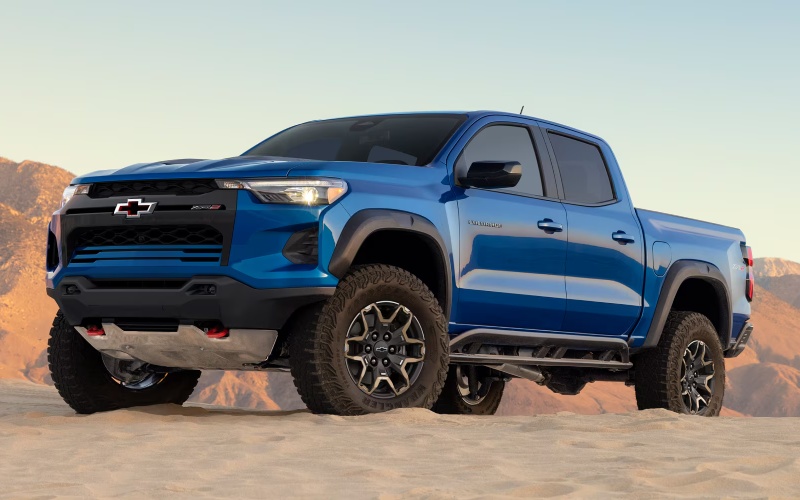
Scenic Chevrolet – Does the 2026 Chevrolet Colorado or 2026 Ford Ranger deliver better standard torque for a midsize truck near Seneca, SC?
When shoppers compare midsize pickups for weekend towing and daily driving, standard torque is one of the most practical metrics to start with. Torque reflects how quickly and confidently a truck moves from a stop, gets a trailer rolling, and maintains pace on rolling hills. It also says a lot about how relaxed the driving experience feels once you add passengers, coolers, and gear. So which truck delivers the stronger standard torque for drivers around Seneca, SC — the one that helps with a boat at the Lake Hartwell ramp on Saturday and tool runs during the week?
On paper and from the driver’s seat, the answer points clearly to the Colorado’s standard 2.7L TurboMax engine. Rated at a best-in-class standard 430 lb-ft of torque and 310 horsepower, it pairs with an enhanced 8-speed automatic that feels eager yet composed. That matters the first time you ease out on a steep launch, pull onto a two-lane with a trailer behind you, or head up to the foothills with friends and coolers. The Ranger brings multiple EcoBoost engine options across its lineup and can match the 430 lb-ft figure in its maximum available output. Still, because that peak is not standard across trims, buyers often have to step up the lineup to get a similar shove. If you want a strong, predictable pull without an options deep-dive, torque that is there from day one makes ownership easier.
Beyond the spec sheet, how the torque is delivered shapes your everyday experience. The TurboMax tune comes on early with a smooth swell that helps avoid busy downshifts during commute traffic or on rising grades. It also pairs well with the Colorado’s Tow/Haul calibration, which fine-tunes shift points when you hitch up. The Ranger’s broader engine menu can be appealing to some buyers, yet the driving feel will vary more depending on which engine the truck has. If your plan includes a mix of boat days, supply runs, and gravel road exploring, a single, stout standard setup has real upside — fewer decisions up front and a consistent, confident feel across tasks.
Standard torque is only part of the towing conversation. Control on hills, trailering visibility, and bed functionality matter too. Here, the Colorado stacks up helpful touches: an available Trailering app that puts checklists and connection status on-screen, available underbody cameras and up to 10 camera views for low-speed maneuvering, and the available StowFlex tailgate with built-in storage for tie-down straps and chocks. Meanwhile, the Ranger offers an available 360-Degree Camera for situational awareness, helpful bed steps, and available Pro Power Onboard to power small tools at the dock or campsite. Both trucks can tow, but how each one supports your routine differs.
Technology and comfort play into towing confidence as well. Colorado’s standard 11.3-inch touch-screen with Google built-in helps with voice navigation to your ramp or trailhead, and the 11-inch Driver Information Center keeps the essentials crisp in your line of sight. On the Ranger, the available 12-inch center display and SYNC 4A with Enhanced Voice Recognition deliver modern functionality on the trims that include them. If you prefer advanced screens and connectivity without making another choice, the Colorado’s standard setup again keeps the playing field simple.
When you synthesize the torque story and the support systems around it, a pattern emerges. If the top priority is strong standard torque and an ownership experience that minimizes guesswork, the Colorado’s approach pays off. You get a consistent, confident pull and a suite of available visibility and trailering tools that back you up in tight marinas and crowded driveways. The Ranger is a capable contender with a wide range of configurations, and well-chosen options can get you close on performance. The trade-off is time spent navigating trims and packages to match what the Colorado includes more broadly from the outset.
For shoppers planning a test drive, try this simple exercise: leave the lot with a moderate load, pick a route with a few hills and a mix of speeds, and note how each truck responds without flooring it. Pay attention to early throttle response, shift timing under light-to-moderate throttle, and how steady the truck feels when you roll back into the pedal at 35-45 mph. That’s where standard torque and smart calibration become more than numbers — and where you can feel the difference in everyday control.
To wrap up the towing comparison, it helps to consider life beyond the ramp, too. If your weekends lead to forest-service roads and campsite turnarounds, factory off-road hardware becomes your friend. Colorado brings available factory lifts, off-road performance displays, and Multimatic DSSV dampers on ZR2 for remarkable composure on washboard and ruts. Ranger’s FX4 Off-Road Package and Ranger Raptor hardware bring impressive capability, but again, you will be mixing and matching to land the feel you prefer. Either way, the goal remains the same: calm, predictable traction and control when momentum matters most.
One more practical point for local owners: equipment storage. The Colorado’s available StowFlex tailgate with built-in storage is a small feature with outsized daily value. Keep straps, gloves, and wheel chocks organized, then lock it and forget it. It is the kind of solution that keeps the cab tidier and the bed ready for bulky gear. The Ranger’s integrated box side step is handy, and both trucks offer lighting that’s useful after sundown. Pick the setup that solves for your routine with the fewest extra steps.
Frequently Asked Questions:
Does standard torque matter if I mostly tow on flat roads?
Yes. Strong standard torque helps get a trailer moving with less throttle and fewer downshifts, which makes city and suburban driving calmer. It also improves confidence when merging with traffic.
How should I test torque and drivability on a demo drive?
Choose a route with a few low-speed hills and 35-55 mph zones. Roll into the throttle gently and note how quickly the truck responds, how often it shifts, and whether it maintains pace without drama.
What else should I look for beyond torque when I tow?
Consider visibility tools, such as multiple camera views, and trailering support features like on-screen checklists. Bed functionality and secure storage for straps and chocks also make towing days easier.
Ready to compare trucks side by side with an emphasis on how they tow in the real world? Visit us at Scenic Chevrolet — serving Anderson, Clemson, and Seneca — to put key features to the test and find the configuration that fits your plans. Our team will walk you through the differences, from torque and tow ratings to camera views and tailgate tools, so you can tow with confidence on day one.

0 comment(s) so far on Does the 2026 Chevrolet Colorado or 2026 Ford Ranger deliver better standard torque for a midsize truck near Seneca, SC?