

Which small SUV fits your cargo and tech needs around Seneca, SC — the 2026 Chevrolet Trax or the 2026 Mazda CX-30?
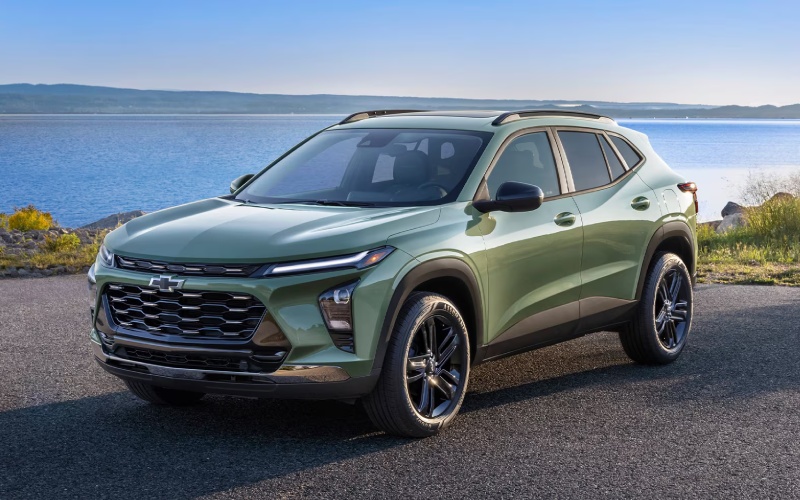
Scenic Chevrolet – Which small SUV fits your cargo and tech needs around Seneca, SC — the 2026 Chevrolet Trax or the 2026 Mazda CX-30?
Many shoppers ask a straightforward question when comparing Chevrolet’s right-size SUV to Mazda’s: which one truly fits daily life better for cargo and tech around Seneca, SC? To help, this guide takes a closer look at cabin packaging, connectivity, driver-assistance coverage, and the little details that make weekdays smoother and weekends easier. By focusing on function and ease of use, you can quickly see which model ticks your boxes with less compromise.
Let’s start with space. Chevrolet designed the Trax to deliver a flexible load floor and a rear seat that folds 60/40, unlocking more than 50 cu. ft. of max cargo volume. That figure matters when you are juggling a stroller, sports gear, or a week’s worth of groceries. Mazda’s CX-30 is nicely shaped and efficient for its size, but it does not reach the Trax’s larger cargo threshold. If you routinely carry a mix of luggage and everyday essentials, the difference shows up when the hatch opens: the Trax simply swallows more with less Tetris-like arranging.
On the tech front, the Trax leans into simplicity. Wireless Apple CarPlay® and wireless Android Auto™ are standard, and the available 11-inch center HD touch-screen makes maps, playlists, and calls feel seamless at a glance. Mazda also supports smartphone integration, with wireless functionality available on select trims, and adds choices such as Alexa Built-in and a Bose® 12-speaker system on certain versions. If your must-have list includes a big, responsive touchscreen and wireless phone mirroring without stepping up trims, the Trax has a clear advantage out of the gate.
In driver assistance, both SUVs offer robust coverage, but their strategies differ. Chevy Safety Assist is standard on every Trax and includes Forward Collision Alert and Automatic Emergency Braking, Front Pedestrian Braking, Lane Keep Assist with Lane Departure Warning, a Following Distance Indicator, and IntelliBeam® High Beam Assist. Mazda’s i-Activsense® suite includes Blind Spot Monitoring, Rear Cross Traffic Alert, Smart Brake Support features, and, on upper trims, a 360º View Monitor and Cruising & Traffic Support. Both brands are aiming to reduce fatigue and improve hazard awareness. If you appreciate a consistent baseline without having to shop a features matrix, the Trax’s standardized approach brings welcome clarity.
How do these choices feel in everyday driving? The Trax’s ECOTEC® 1.2L Turbo is tuned for low-speed responsiveness and calm, predictable acceleration. That tuning is especially helpful when pulling away from a light or rolling back into the throttle in neighborhood traffic. Mazda counters with a standard SKYACTIV®-G 2.5L and, for power-seekers, an available SKYACTIV®-G 2.5 Turbo with up to 250-hp. If quick highway passes are a top priority, Mazda’s Turbo trims deliver. For a balanced, composed commute, the Trax keeps things relaxed and easy.
Connectivity beyond the phone is another differentiator. The Trax offers available wireless charging and a built-in Wi-Fi® hotspot, features that simplify life with multiple devices in the cabin. Mazda integrates Connected Services through the MyMazda App for remote capabilities like remote engine start, and offers Alexa Built-in on certain trims to operate select functions by voice. Both approaches are useful; Chevrolet’s focus on a large touch interface and cable-free mirroring may simply feel more natural for many drivers.
Ride quality and refinement also matter. The Trax uses a quiet cabin recipe—thoughtful sealing and, on LS, Active Noise Cancellation—to help keep road chatter in the background. Steering is light at parking speeds and stable on the highway, and the available 18- and 19-inch wheels are tuned to maintain composure over patched pavement. Mazda’s CX-30 is known for agile responses and, with i-Activ AWD® standard, sure-footed traction in low-grip conditions. If your routine includes gravel pull-offs or muddy trailheads, AWD confidence is compelling. If most miles are paved and predictable, the Trax’s planted, easygoing character shines.
Still comparing? Here is a tight snapshot of how the strengths line up for the question at hand—cargo and tech for daily life around Seneca.
- Cargo flexibility: Trax offers over 50 cu. ft. max space and a 60/40 split-fold rear seat for quick transitions between people and gear.
- Core connectivity: Wireless Apple CarPlay®/Android Auto™ are standard on Trax; Mazda offers wireless on upper trims.
- Screen real estate: Trax’s available 11-inch center HD touch-screen streamlines navigation, calls, and media at a glance.
- Assistance baseline: Chevy Safety Assist is standard on every Trax; Mazda’s full menu grows as you move up trims.
For many families, the deciding factor is not lap-time speed or niche options—it is whether the small SUV feels intuitive and ready for anything from carpool to a last-minute home improvement run. That is where the Trax consistently wins hearts.
Frequently Asked Questions:
Does the Trax have enough room for a lightweight stroller and weekly groceries without folding the second row?
Yes. In most scenarios, you can load a stroller lengthwise and still fit multiple bags, thanks to a deep cargo well and a wide hatch opening. When you need even more, the 60/40 split quickly adds space without losing all rear seating.
Can I use wireless Apple CarPlay® on every Trax trim?
Yes. Wireless Apple CarPlay® and wireless Android Auto™ are standard across the Trax lineup, so you do not have to step up a trim to go cable-free.
How do the safety suites compare if I want standard features without guesswork?
Every Trax includes Chevy Safety Assist—Forward Collision Alert and Automatic Emergency Braking, Front Pedestrian Braking, Lane Keep Assist with Lane Departure Warning, a Following Distance Indicator, and IntelliBeam® High Beam Assist. Mazda’s i-Activsense® is comprehensive too, though availability can vary by trim.
Is AWD a must-have for typical suburban driving?
Not for most drivers. AWD can help in low-traction moments, but for typical suburban pavement and well-maintained roads, a well-tuned front-drive small SUV like the Trax remains composed and efficient. Prioritize AWD if you regularly encounter slick boat ramps, steep unpaved driveways, or frequent snow.
If you are seeking a clear, practical answer to the original question—cargo and tech that simply make life easier—the Trax checks those boxes with fewer trade-offs. Visit Scenic Chevrolet, serving Anderson, Clemson, and Seneca, to see how the Trax’s packaging, connectivity, and everyday manners line up with your routine. One hands-on walkaround is usually all it takes to understand why this small SUV has become a go-to choice for busy households that want straightforward capability and modern convenience.

0 comment(s) so far on Which small SUV fits your cargo and tech needs around Seneca, SC — the 2026 Chevrolet Trax or the 2026 Mazda CX-30?