

Which truck offers hands-free towing confidence for highway trips around Anderson, SC: the 2026 Chevrolet Silverado 1500 or 2026 Ford F-150?
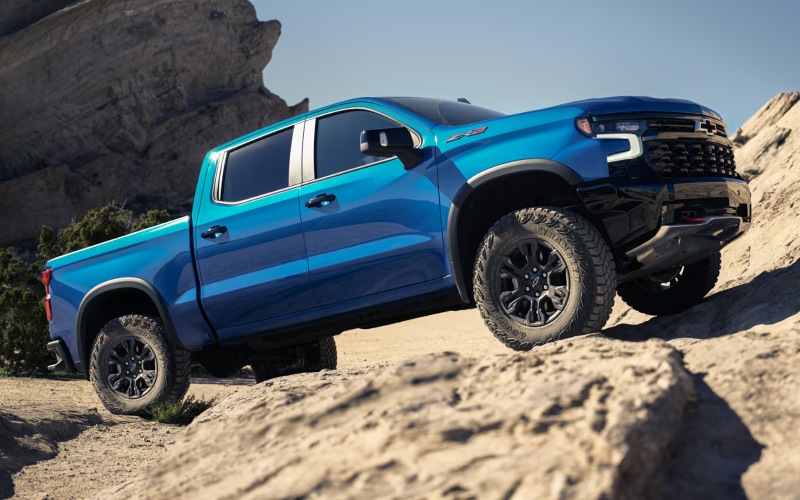
Scenic Chevrolet – Which truck offers hands-free towing confidence for highway trips around Anderson, SC: the 2026 Chevrolet Silverado 1500 or 2026 Ford F-150?
When comparing the latest full-size pickups, a common question keeps coming up: can both trucks handle hands-free driving while you’re towing? If you regularly haul a boat to Lake Hartwell, an equipment trailer down I-85, or a pair of ATVs out to the foothills, this detail matters. The short answer is that only one of these trucks currently offers hands-free driver assistance that works while you’re towing on compatible roads—the Chevrolet Silverado 1500 with available Super Cruise. That single capability can make long interstate stretches less tiring, help you maintain consistent lane position under load, and provide a new level of calm for the driver and crew. Below, we break down how the two approaches differ, what to expect on the road, and how to evaluate the feature set for your routes around Anderson, SC.
At its core, Super Cruise on Silverado 1500 uses a robust combination of high-precision maps, driver attention monitoring, and in-vehicle sensors to enable hands-free driving on a growing network of compatible divided highways. Crucially, it is available with trailering, meaning you can use hands-free assistance while towing—something that sets it apart in the segment. The system manages steering and speed to help keep the truck centered and at a safe following distance, even with a trailer attached. In practice, that means steadier lane discipline over wind-blown bridges, smoother tracking along long curves, and less fatigue for the driver after hours at the wheel. Pair Super Cruise with Silverado 1500’s up to 14 available camera views, including hitch alignment and transparent trailer perspectives, and you get both the setup tools and the on-road assistance that simplify towing from the driveway to your destination.
By contrast, Ford’s BlueCruise offers hands-free highway driving on compatible roads, but not while towing. BlueCruise can still reduce effort on solo commutes, yet drivers who tow frequently should plan on hands-on driving when a trailer is attached. That’s entirely workable—drivers have been safely towing with traditional lane keeping and adaptive cruise for years—but if your goal is to remove as much strain as possible from long towing days, this distinction is decisive. If you often haul up and down I-85 on weekends, or you’re bringing a camper to Oconee County parks, having hands-free assistance available while towing can be the feature you appreciate most by the time you arrive.
To compare both systems during a test drive, follow a simple approach that anticipates real-life scenarios and the transitions that can add stress during a trip.
- Plan a loop that includes compatible divided highways and local connectors to mimic your typical towing route.
- Practice trailer hookup using onboard camera views, then drive a short stretch to evaluate stability and tracking under light throttle.
- Activate the driver assistance technology where available, noting how the system communicates readiness, how it centers the truck, and how it responds to curves and merges.
- Assess driver workload—are your hands and eyes working less while your attention stays high? Do you feel fresher after the same distance?
- Evaluate lane changes, exits, and construction zones—places where you most often feel tension when towing.
Alongside hands-free trailering, Silverado 1500 stacks the deck with towing-focused visibility and control. Available Trailering App checklists bring order to pre-departure routines. Trailer Side Blind Zone Alert expands coverage down the trailer’s length for compatible trailers, helping you judge passes and merges. Eight available cameras with up to 14 views go beyond a single top-down look to include hitch guidance and transparent trailer perspectives—features that make backing into angled lakeside slots or tight storage lanes more predictable, especially if you drive solo. Together, these tools reduce cognitive load. You spend less bandwidth figuring out what the trailer is doing and more time simply driving safely and smoothly.
One more angle to consider is how you use your truck during the week. If you move between job sites, tow a small excavator, or shuttle gear across new developments, the Silverado 1500’s bed and trailering features pay off even without a long highway drive. Durabed’s high-strength steel bed, generous standard cargo volume, and 12 standard tie-downs make it easier to stage loads quickly and secure them with confidence. The available Multi-Flex Tailgate adds a stable full-width step and an inner gate work surface to speed up loading and paperwork in the field. None of that replaces careful driving habits, but it does make the process feel more organized and less stressful from the first mile.
Of course, BlueCruise and Ford’s suite of towing aids deliver strong day-to-day support when you’re not hitched up, and many owners will be happy with that balance. The pivot point is how often you tow and how you feel after a few hours behind the wheel. If you want hands-free help precisely when the job is most demanding, the Silverado 1500’s approach remains uniquely suited to those needs. That distinction carries weight on family trips and work runs alike, when conserved energy often translates to better decisions and a better day for everyone involved.
For shoppers organizing side-by-side drives, a quick tip: bring your typical hitch and trailer if possible. Seeing how each system behaves with your real-world setup is worth the extra time, especially if your trailer is tall, enclosed, or particularly sensitive to crosswinds. You’ll also get a more accurate sense of fuel range, brake feel, and steering feedback—factors that help you pick the right powertrain and package for your use case. And don’t overlook how the cabin tech supports towing: displays, alerts, and clear camera angles can save time every single trip.
If you’re exploring next steps, our team can help you map routes that reflect your towing life and walk you through how Silverado 1500’s systems behave in those scenarios. From there, you’ll know whether hands-free trailering is a “nice to have” or the cornerstone of your next truck decision. Either way, you’ll be making that choice with a complete picture of how the technology changes the experience of driving with a load.
Scenic Chevrolet is serving Anderson, Clemson, and Seneca with product specialists who can answer deeper technical questions about trailering tech, camera coverage, driver attention monitoring, and compatible road networks—so you can focus on how the truck fits your life, not just the spec sheet.
Frequently Asked Questions:
Does hands-free driving work while towing on both trucks?
Only the Silverado 1500 offers an available hands-free system designed to work while towing on compatible roads. Ford’s BlueCruise does not support hands-free driving when a trailer is attached.
Can I test these systems with my own trailer?
Yes. Bringing your trailer helps you evaluate setup ease, on-road stability, and how the assistance tech behaves with your real-world load and hitch.
What other features help with towing beyond hands-free tech?
The Silverado 1500’s up to 14 available camera views, Trailer Side Blind Zone Alert for compatible trailers, and an in-vehicle Trailering App simplify hookups, lane changes, and pre-departure checks.
How should I compare both trucks on the same day?
Plan a loop with compatible highways and local roads, test trailer hookup, evaluate driver workload during steady-state cruising, and pay attention to lane changes and construction zones.

0 comment(s) so far on Which truck offers hands-free towing confidence for highway trips around Anderson, SC: the 2026 Chevrolet Silverado 1500 or 2026 Ford F-150?